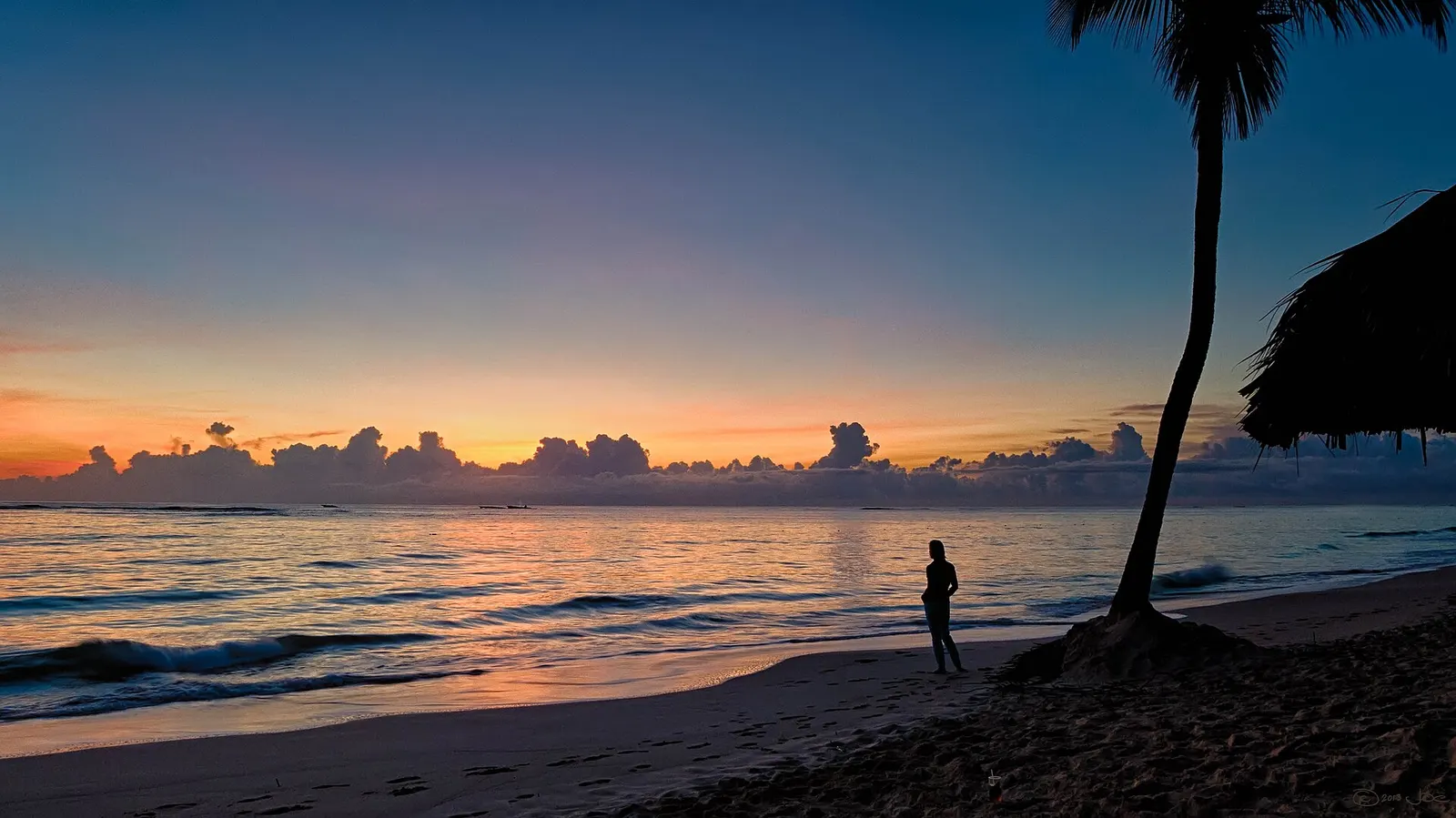
Photo: Mustang Joe · CC0 via Wikimedia Commons
Best Time to Visit Punta Cana: Weather, Crowds & Prices
Ask ten people when to visit Punta Cana and you will get the same answer: "December to April." It is not wrong. It is just not the whole picture, and for a lot of trips it is the expensive answer.
The year here splits into three stretches, and each one trades something. Winter buys you the driest-feeling weather and the fullest resorts. Summer buys you value and warm seas with more humidity and a sargassum gamble. Autumn is the cheapest and the most weather-dependent.
What follows is how to choose between them based on what you actually care about, plus a short lesson in reading a tropical forecast so a rain icon does not ruin a perfectly good beach day.
Choose by priority
| Your priority | Start with | Trade-off |
|---|---|---|
| Drier-feeling weather | December–April | Higher demand and often higher rates. |
| Value and moderate crowds | Late spring or selected fall dates | More weather and sargassum variability. |
| Family school breaks | March–April or June–August | Holiday and summer demand can raise prices. |
| Flexible couples trip | May, early June or November | Conditions can shift week to week. |
December through April
This is Punta Cana’s most popular leisure-travel stretch. Travelers often choose it for warm beach weather during colder northern winters. Resorts and flights can fill early around Christmas, New Year, school breaks and Easter, so the best-value room category may disappear before the property sells out.
Pack sun protection and a light layer for air-conditioned spaces. Even in a generally drier period, short showers remain possible.
May through August
Late spring and summer can bring strong value, lush landscapes, high humidity and short tropical downpours. The sea is warm, but sargassum conditions can vary dramatically by beach and day. Ask a hotel about its recent beach-management routine rather than relying on a photo taken months earlier.
Early-morning excursions are often a smart choice because they reduce exposure to peak heat and leave room to adjust later plans.
September through November
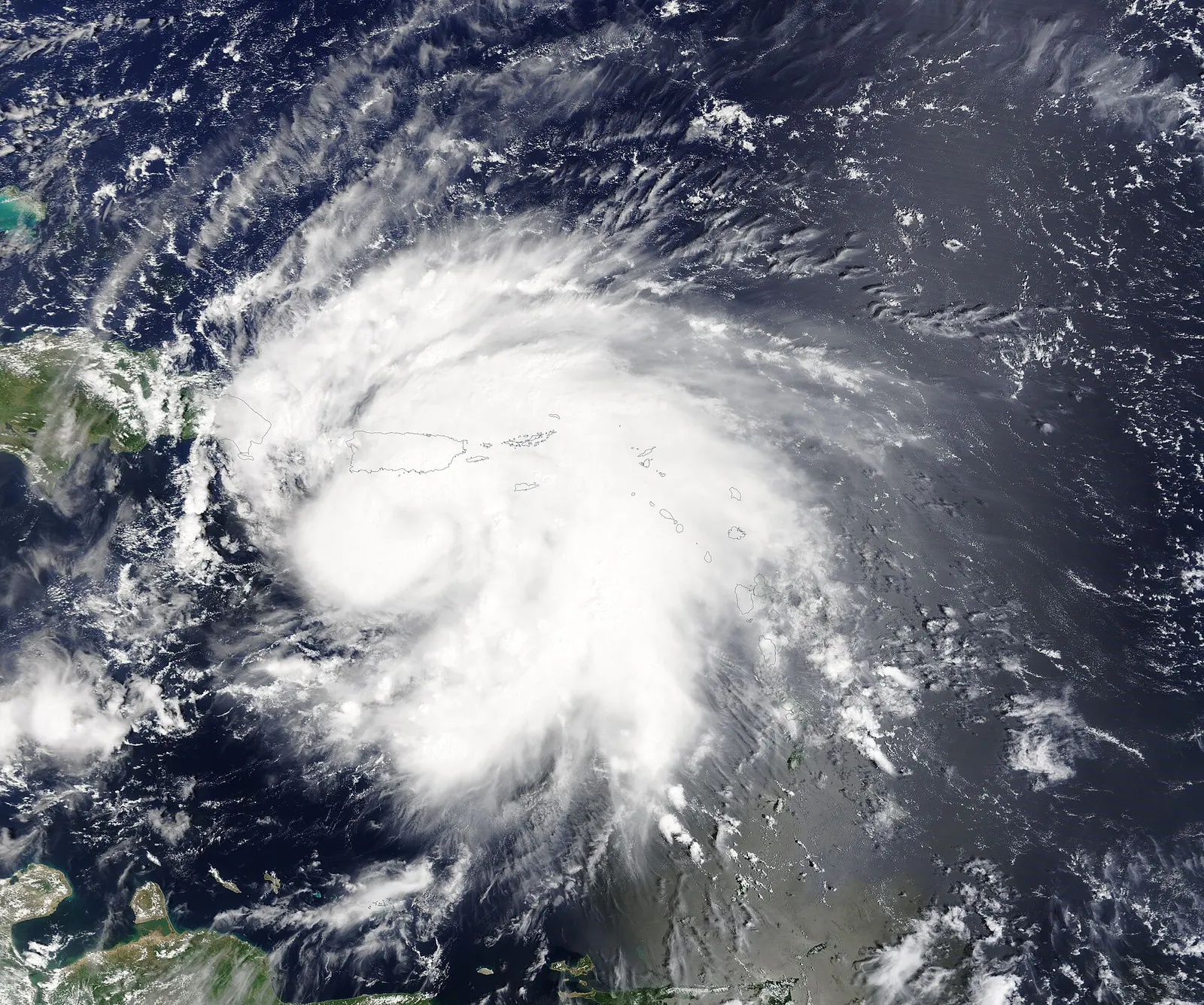
Early fall overlaps with the climatologically active portion of Atlantic hurricane season. That does not make every week stormy, but it increases the importance of flexible bookings, insurance terms and official monitoring. November can appeal to travelers seeking shoulder-season value before the busiest winter period.
Crowds, events and holiday timing
Rates and occupancy can change around school holidays, long weekends, weddings, corporate groups and major resort events. Compare the total trip price—not only the nightly rate—including transfers, checked bags, resort upgrades and cancellation flexibility.
Pack for the season, not the brochure
- Light, breathable clothing and one rain layer.
- Reef-conscious sun protection, hat and refillable water bottle.
- Insect repellent suitable for your needs.
- Closed-toe shoes for adventure excursions.
- A copy of travel documents stored separately from originals.
Sources and verification
Travel conditions and rules can change. Check these sources again close to departure.
How to read a Punta Cana forecast
How to read a tropical forecast
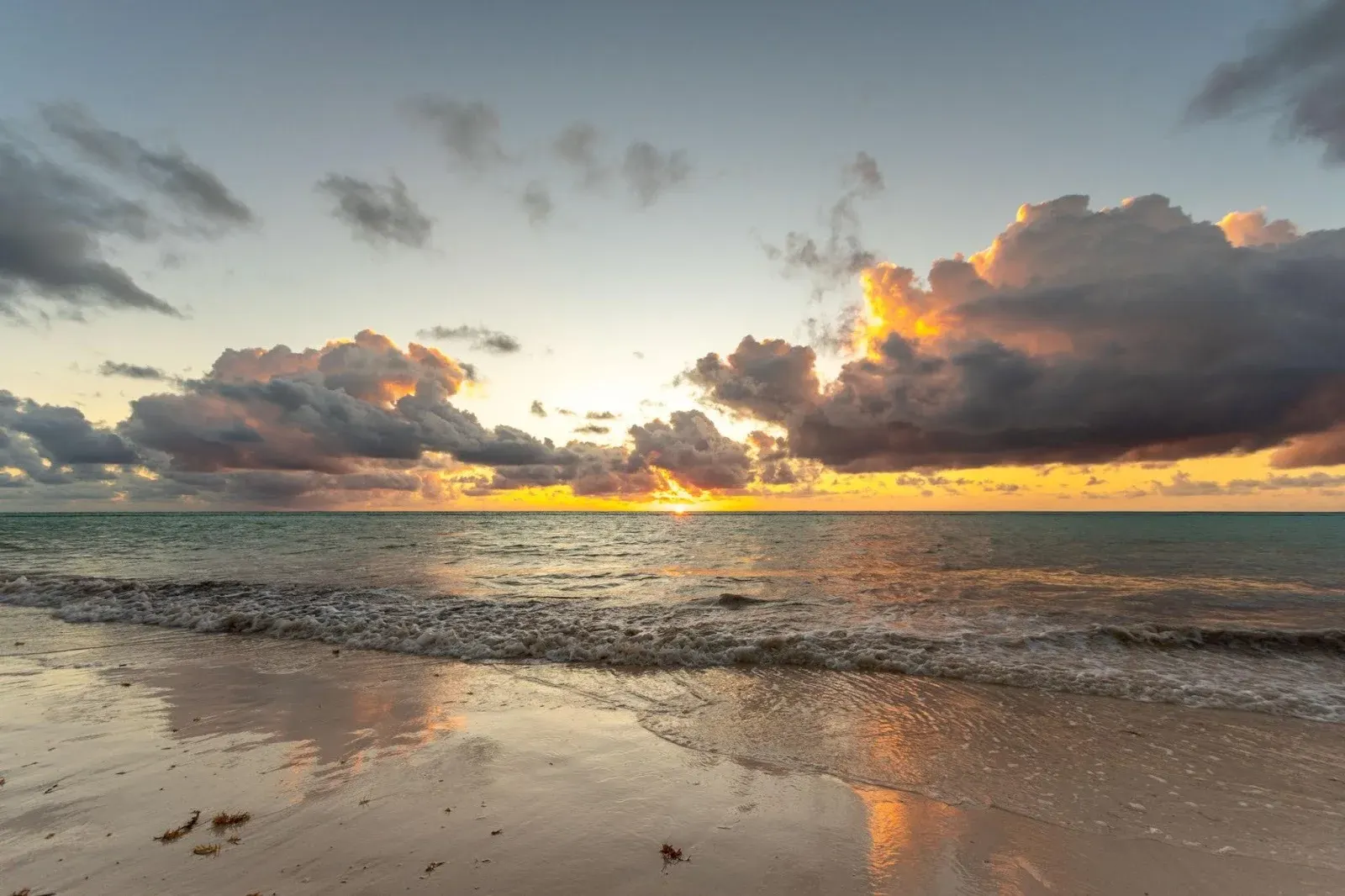
A forecast showing showers does not necessarily mean rain from breakfast to dinner. Punta Cana often gets brief, localized showers, followed by brighter periods. Focus on the hourly timing, precipitation probability, wind and lightning risk rather than a single weather icon.
- Rain probability: tells you the chance of measurable precipitation at your location during the forecast period.
- UV index: can be high even when clouds are present. Shade, water and broad-spectrum sunscreen still matter.
- Wind: affects boat excursions, snorkeling comfort and beach conditions more than temperature alone.
- Lightning: is a reason to leave the water and follow staff instructions immediately.
Typical weather patterns by season
| Period | What travelers often notice | Planning move |
|---|---|---|
| December–April | Popular, generally drier-feeling stretch with warm days and busy resorts. | Book early and expect stronger demand. |
| May–August | Hotter, more humid conditions with quick tropical showers and variable sargassum. | Schedule water activities early and keep plans flexible. |
| September–November | Warm, humid and within the more active portion of Atlantic hurricane season. | Favor flexible bookings and monitor official tropical updates. |
A practical beach-day routine
- Check the hourly rain, wind and UV forecast before breakfast.
- Ask your resort or excursion operator about local sea conditions.
- Plan the most weather-sensitive activity for the best-looking window.
- Carry water, sun protection and a light rain layer.
- Recheck conditions before a boat departure; offshore weather can differ from the hotel zone.
When to use official weather sources
Use INDOMET for Dominican meteorological information and the National Hurricane Center for Atlantic tropical systems. When a watch or warning is issued, follow official authorities, your airline, resort and excursion operator—not a general travel widget.
Sources and verification
Travel conditions and rules can change. Check these sources again close to departure.
Our take
If the trip is a one-off and weather reliability matters more than money, book the winter stretch and book it early. If you are flexible, late spring and November give you most of the upside for a lot less. Whatever you choose, the forecast is a planning tool, not a verdict: most Punta Cana rain is a short interruption, not a lost day.

.jpg)