
Last Updated: June 2026
Reviewed by Carter & the Puntacana Travel Research Team
For more than 18 years, the Puntacana Travel Research Team has monitored Punta Cana’s tourism industry, resort developments, beaches, attractions, transportation networks, and traveler experiences. Each guide is continuously reviewed and updated using current destination research, local knowledge, traveler feedback, and tourism data to help visitors make better-informed travel decisions.
A surprising number of Punta Cana travel mistakes happen before the vacation even begins.
Not because travelers choose a bad resort.
Not because they pick the wrong travel dates.
And not because they forget to plan activities.
Instead, many people simply choose the version of Punta Cana that doesn’t fit them.
That’s easier to do than it sounds.
From a distance, Punta Cana can appear straightforward.
Beautiful beaches.
All-inclusive resorts.
Palm trees.
Warm weather.
However, once you start looking closer, the destination becomes much more varied.
Cap Cana doesn’t feel like Bávaro.
Uvero Alto doesn’t feel like either of them.
Likewise, an adults-only resort creates a completely different experience from a family-focused property.
Even the beaches can feel surprisingly different from one area to another.
As a result, two travelers can visit Punta Cana during the same week and come home describing what feels like two different destinations.
That’s why comparisons matter.
The goal isn’t finding the best resort, beach, or area.
Instead, it’s finding the version of Punta Cana that matches the type of vacation you actually want.
What Should Travelers Compare First?
Most people immediately start comparing resorts.
However, that’s usually not the best place to begin.
Before comparing hotels, compare:
- Travel style
- Resort areas
- Beach atmosphere
- Budget expectations
- Activity preferences
Once those pieces become clear, resort selection becomes much easier.
Interestingly, travelers who start with travel style often make decisions faster than travelers who start with resort lists.
That’s because the destination becomes easier to narrow down.
Why Punta Cana Feels Overwhelming at First
The planning process often starts the same way.
A traveler searches for Punta Cana resorts.
Hundreds of options appear.
Then come:
- Resort reviews
- Beach rankings
- Area guides
- Resort comparisons
- YouTube videos
- Social media recommendations
At first, more information feels helpful.
Eventually, it starts creating confusion.
Every resort claims to be the best.
Every beach looks beautiful.
Every comparison seems to recommend something different.
Consequently, many travelers stop comparing what actually matters.
Instead, they begin comparing marketing.
That’s rarely the best approach.
A better strategy is understanding the major differences between areas, travel styles, and vacation experiences before evaluating individual properties.
The Most Important Comparison Most Travelers Never Make
Many visitors compare resorts.
Far fewer compare themselves.
That sounds strange at first.
However, travel style often determines satisfaction more than resort quality.
For example:
A quiet traveler may dislike a highly social resort.
A nightlife-focused visitor may become bored at a secluded property.
Meanwhile, a couple looking for atmosphere may have a completely different definition of a perfect vacation than a family with young children.
None of those travelers are wrong.
They’re simply looking for different experiences.
That’s why comparing travel styles frequently produces better results than comparing amenities.
Comparing Travel Styles Instead of Resorts
Before comparing properties, ask a simpler question:
What kind of vacation are you actually trying to create?
Some travelers want:
- Relaxation
- Beach time
- Quiet mornings
- Slower pacing
Others prioritize:
- Excursions
- Activities
- Nightlife
- Entertainment
Meanwhile, another group focuses on:
- Food
- Atmosphere
- Local experiences
- Exploring beyond the resort
Each travel style naturally points toward different areas of Punta Cana.
Because of this, the best resort for one traveler may be completely wrong for another.
Not Every Beach Feels the Same
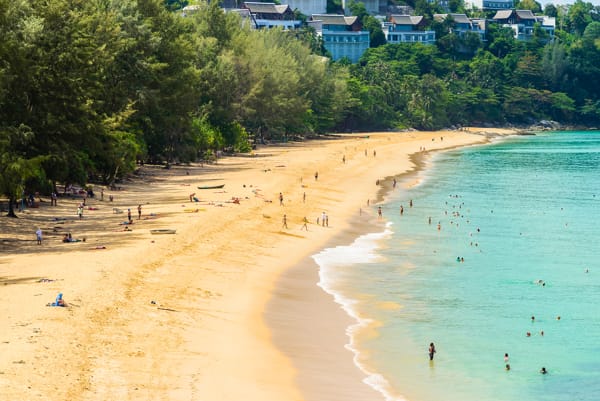
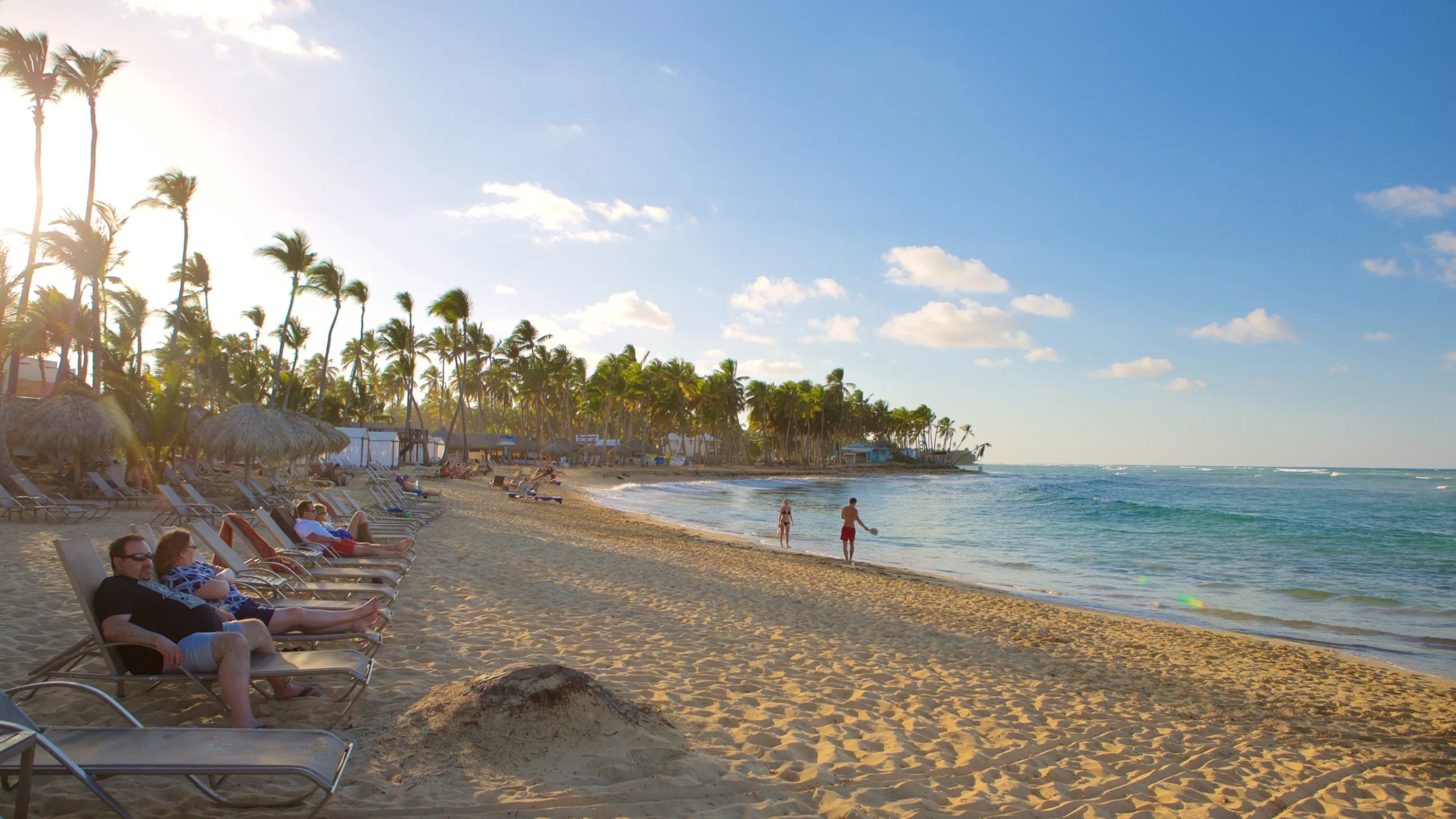
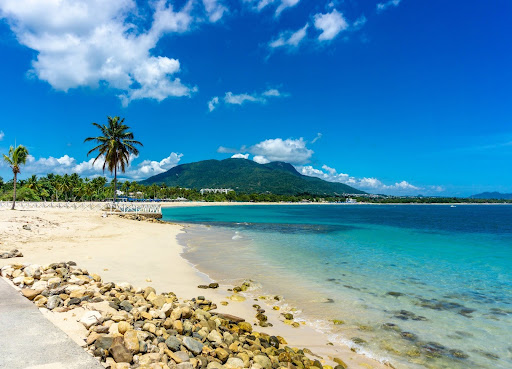
One of the biggest surprises for first-time visitors is discovering how different Punta Cana’s beaches can feel.
Photos rarely capture those differences.
Instead, many beaches look nearly identical online.
Once you’re there, the contrasts become easier to notice.
Some beaches feel energetic.
Others feel quiet.
Certain areas attract more families.
Meanwhile, some sections feel noticeably more relaxed.
Water conditions can vary.
Crowd levels vary.
The overall atmosphere varies.
That’s one reason many travelers continue into our Punta Cana Beaches Guide before choosing accommodations.
Beach personality often shapes the entire vacation.
Areas Matter More Than Travelers Expect
Resorts receive most of the attention.
However, the surrounding area often influences the experience just as much.
For example:
Bávaro
Typically feels busier.
Offers more nightlife.
Provides easier access to restaurants, excursions, and entertainment.
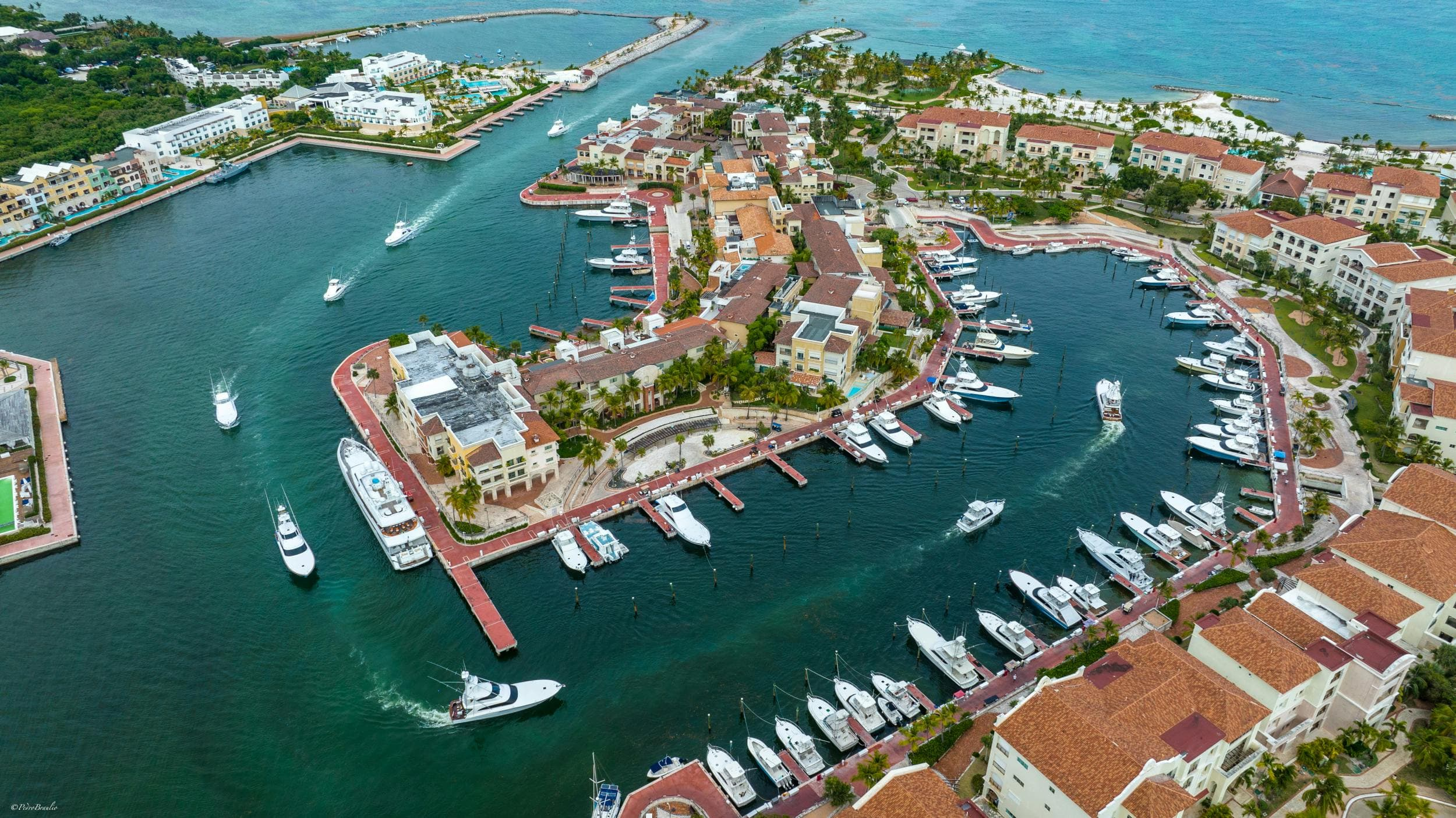
Cap Cana
Generally feels more controlled.
The atmosphere is quieter.
Many travelers choose it for luxury and relaxation.
Uvero Alto
Often feels slower.
More secluded.
Less connected to the busiest tourist areas.
Consequently, choosing between these areas is often more important than choosing between two similar resorts.
Travelers comparing locations frequently continue into our Where to Stay in Punta Cana guide before making a final decision.
Family Trips and Couples Trips Are Different Comparisons
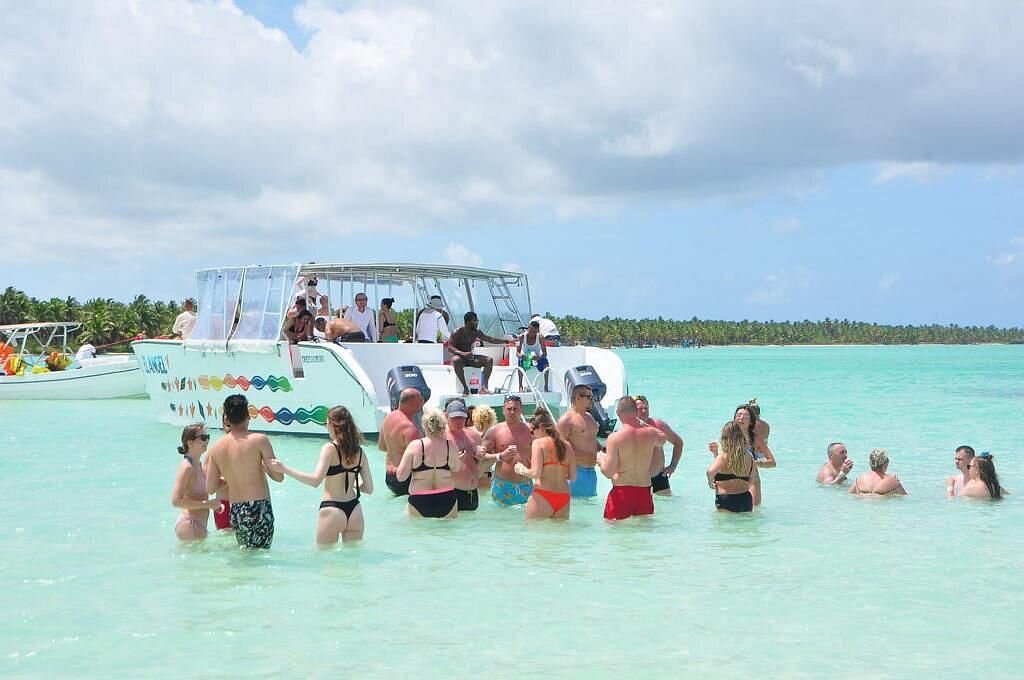


Another common mistake is comparing resorts without considering who the trip is for.
A great family resort isn’t automatically a great couples resort.
Likewise, an adults-only property may be perfect for one traveler and completely wrong for another.
Families often prioritize:
- Pools
- Activities
- Kid-friendly amenities
- Convenience
Meanwhile, couples frequently focus on:
- Atmosphere
- Dining
- Beach quality
- Quiet spaces
Neither approach is better.
However, each creates a very different vacation.
That’s why family travelers and couples should rarely rely on the same recommendations.
Why There Is No Universal “Best” Resort
Travel forums ask this question constantly.
What’s the best resort in Punta Cana?
The problem is that the question itself is flawed.
There isn’t one best resort.
There are resorts that fit specific travelers better than others.
A luxury traveler may value different things than a budget traveler.
A social traveler may want something completely different than someone seeking privacy.
Because expectations vary, resort rankings only tell part of the story.
Fit matters more.
And that’s exactly what this comparison guide is designed to help you understand.
Next: Comparing Punta Cana’s Most Popular Areas, Beaches, and Resort Styles
Now that we’ve established why comparisons matter, the next step is looking at the specific decisions travelers struggle with most.
Bávaro vs Cap Cana.
Uvero Alto vs Bávaro.
Family resorts vs adults-only resorts.
Luxury vs budget properties.
Large resorts vs smaller resorts.
Because once you understand those differences, choosing the right version of Punta Cana becomes much easier.
Bávaro vs Cap Cana: The Comparison Most Travelers Eventually Make
At some point, many Punta Cana vacations come down to a single choice.
Bávaro or Cap Cana.
Both destinations are popular.
Each offers impressive resorts.
Beautiful beaches exist in both areas as well.
However, they create noticeably different vacations.
This isn’t a case of one area being better than the other.
Instead, it’s a matter of fit.
The atmosphere changes.
The overall pace changes.
Even the way travelers spend their days often changes.
As a result, choosing between Bávaro and Cap Cana becomes one of the most important decisions many visitors make before booking.
Bávaro Feels More Active
For many visitors, Bávaro represents the classic Punta Cana experience.
The area tends to feel:
- Busier
- More social
- More energetic
- More connected to activities
Restaurants are easier to find.
Additionally, excursions are easier to access.
Transportation tends to be simpler.
Meanwhile, nightlife options are generally closer.
Consequently, travelers who enjoy having choices nearby often gravitate toward Bávaro.
The beaches remain beautiful.
However, the surrounding environment feels more active.
That’s part of the appeal.
After all, not everyone wants complete isolation during a vacation.
Cap Cana Feels More Controlled
Cap Cana creates a very different first impression.
Roads feel quieter.
Development feels more organized.
As a result, the overall atmosphere often feels more exclusive.
Rather than emphasizing energy, the area leans toward calm.
Likewise, activity tends to take a back seat to atmosphere.
Many visitors immediately notice the difference.
Although the beaches remain attractive, the overall rhythm feels slower.
Resorts still feel impressive.
Yet the pace changes noticeably throughout the day.
For travelers seeking relaxation, that slower rhythm can be a major advantage.
Others, however, may feel disconnected from the broader destination.
Neither reaction is unusual.
Which Area Is Better for First-Time Visitors?
There isn’t a universal answer.
However, many first-time visitors find Bávaro easier to navigate.
Transportation options are often more convenient.
Furthermore, activities are generally closer.
The area provides a broader introduction to Punta Cana.
Meanwhile, Cap Cana tends to appeal to travelers who already know exactly what they’re looking for.
For example:
- Luxury travelers
- Couples
- Relaxation-focused visitors
- Travelers prioritizing atmosphere
That said, Cap Cana is not unsuitable for first-time visitors.
Instead, it simply attracts a different audience.
Which Area Feels More Romantic?
This depends heavily on the couple.
Some couples prefer activity.
Others prefer privacy.
For travelers who enjoy:
- Marina dining
- Quiet evenings
- Resort-focused vacations
- Upscale surroundings
Cap Cana often feels more romantic.
By contrast, couples who enjoy:
- Exploring
- Restaurants
- Beach bars
- Variety
May find Bávaro a better fit.
Interestingly, many romantic vacations have very little to do with luxury.
Instead, atmosphere usually matters more.
That’s one reason travelers often compare our Punta Cana Nightlife Guide alongside accommodation decisions.
Uvero Alto vs Bávaro
Another comparison appears frequently.
Uvero Alto and Bávaro may sit within the same destination, yet they create very different experiences.
The biggest distinction is isolation.
Bávaro feels connected.
By comparison, Uvero Alto feels more removed.
Some travelers love that distinction.
Others don’t.
Therefore, this comparison tends to generate strong opinions.
Why Travelers Choose Uvero Alto
Visitors staying in Uvero Alto often prioritize:
- Quiet surroundings
- Long beach walks
- Relaxation
- Resort-focused vacations
The area generally feels slower.
Traffic is less noticeable.
Likewise, outside activity feels less prominent.
Consequently, many travelers spend most of their time enjoying the resort itself.
This appeals strongly to certain people.
Particularly those looking for a genuine escape from busy daily routines.
Why Travelers Choose Bávaro Instead
Bávaro attracts a different mindset.
Visitors often appreciate:
- Easier transportation
- More dining options
- Greater excursion access
- More nightlife opportunities
As a result, the vacation feels more flexible.
Changing plans becomes easier.
Exploring feels simpler.
Finding activities requires less effort.
Because of this, many first-time visitors naturally gravitate toward Bávaro.
Family Resorts vs Adults-Only Resorts
This comparison matters more than many travelers initially expect.
A family resort and an adults-only resort can feel like completely different destinations.
Even when they’re located on the same beach.
Therefore, choosing the right resort category is often more important than choosing between similar properties.
Family Resorts Usually Prioritize Activity
Most family-focused resorts emphasize:
- Pools
- Water parks
- Entertainment
- Convenience
- Children’s activities
Naturally, this creates a more energetic environment.
Families often appreciate that energy.
Children tend to appreciate it even more.
However, travelers seeking quiet surroundings may feel differently.
That doesn’t make family resorts worse.
Instead, they’re simply designed for different priorities.
Adults-Only Resorts Usually Prioritize Atmosphere
Adults-only properties often focus on:
- Relaxation
- Dining
- Spa experiences
- Beach atmosphere
- Quieter environments
As a result, the overall rhythm tends to feel different.
Morning pool scenes feel different.
Likewise, evening dining experiences feel different.
Throughout the day, the atmosphere shifts in subtle ways.
Many couples appreciate this.
At the same time, some travelers prefer the livelier environment found at family-focused resorts.
Ultimately, it depends on the traveler.
Luxury vs Budget Resorts
Another comparison that generates confusion.
Many travelers assume luxury automatically means a better vacation.
Sometimes that’s true.
However, sometimes it isn’t.
Luxury resorts often provide:
- Larger rooms
- Better dining
- Premium service
- More refined surroundings
At the same time, budget-conscious travelers frequently have excellent vacations.
Why?
Because vacation satisfaction doesn’t come entirely from amenities.
For example, location matters.
Equally important, travel style matters.
Just as importantly, expectations matter.
A resort that matches a traveler’s priorities often outperforms a more expensive property that doesn’t.
Large Resorts vs Smaller Resorts
This comparison rarely receives enough attention.
Yet it affects daily vacation life significantly.
Large resorts often provide:
- More restaurants
- More entertainment
- More activities
However, they also create:
- More walking
- Larger crowds
- More complex layouts
Meanwhile, smaller resorts tend to feel easier to navigate.
Everything sits closer together.
As a result, convenience improves.
On the other hand, options become more limited.
Neither approach is superior.
Ultimately, it depends on the type of experience you’re seeking.
The Comparison Mistake Travelers Make Most Often
Many travelers compare amenities.
Far fewer compare atmosphere.
That’s usually backwards.
Two resorts may offer nearly identical amenities.
Yet one feels energetic while the other feels quiet.
One attracts families.
Another attracts couples.
Some encourage exploration.
Others encourage relaxation.
Consequently, atmosphere often shapes memories more than amenities.
Because of this, comparing how places feel can be just as important as comparing what they offer.
Punta Cana vs Cancun: More Different Than Most Travelers Expect
This comparison appears constantly.
On the surface, the destinations seem similar.
Both offer:
- Beaches
- All-inclusive resorts
- Warm weather
- Excursions
- International tourism infrastructure
Because of that, many travelers assume the experience is nearly identical.
In reality, the atmosphere differs more than people expect.
The differences aren’t always dramatic.
However, they become noticeable once you’re actually there.
Cancun Usually Feels Bigger
One of the first things travelers notice is scale.
Cancun generally feels larger.
The city environment is more visible.
Traffic is more noticeable.
The urban side of the destination plays a bigger role in the overall experience.
Meanwhile, Punta Cana often feels more resort-focused.
For many visitors, the vacation revolves around beaches, resorts, and nearby excursions rather than a major city environment.
As a result, Punta Cana frequently feels simpler.
Some travelers love that.
Others prefer having a larger city nearby.
Neither preference is wrong.
Punta Cana Often Feels More Relaxed
Although both destinations attract millions of visitors, the overall pace can feel different.
Punta Cana tends to encourage slower days.
Beach time becomes a larger part of the vacation.
Resort life becomes more central.
Consequently, many travelers spend less time moving around and more time settling into a rhythm.
Cancun, by comparison, often encourages more movement.
Visitors frequently combine:
- Beaches
- Nightlife
- Shopping
- Day trips
- Urban exploration
Because of this, Cancun vacations sometimes feel busier.
Which Destination Is Better for All-Inclusive Resorts?
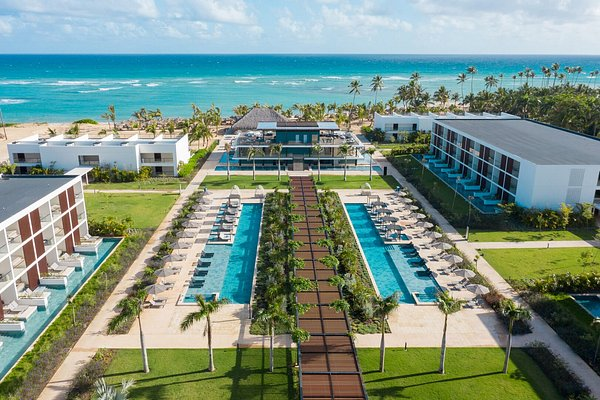
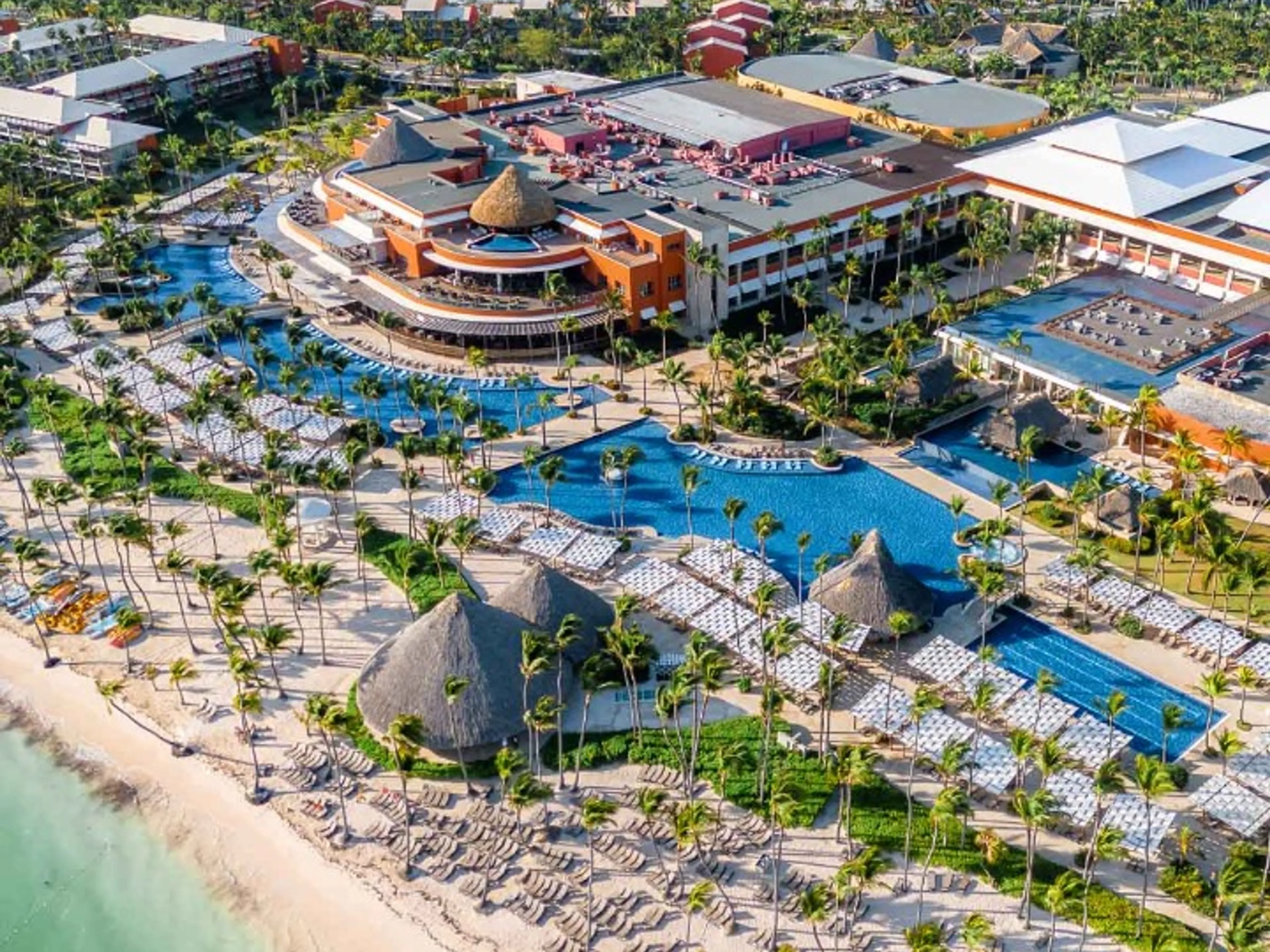
Both destinations perform well.
However, Punta Cana has built much of its reputation around the all-inclusive experience.
Many travelers arrive specifically for:
- Large resorts
- Beachfront properties
- Resort-focused vacations
- Relaxation
As a result, the resort ecosystem feels deeply integrated into the destination.
Cancun certainly offers excellent resorts too.
Nevertheless, some visitors find themselves leaving the resort more frequently.
Meanwhile, Punta Cana travelers often spend a larger percentage of their vacation on property.
Punta Cana vs Jamaica
This comparison tends to be less about resorts and more about atmosphere.
Both destinations offer beautiful beaches.
Both attract international visitors.
Yet the overall feeling differs.
Jamaica often feels more culturally driven.
Music, local identity, and community experiences frequently play a larger role in the trip.
By contrast, Punta Cana generally feels more resort-oriented.
That’s neither good nor bad.
It simply creates a different type of vacation.
Travelers looking for a highly resort-centered experience often prefer Punta Cana.
Meanwhile, travelers seeking stronger local immersion may gravitate toward Jamaica.
Punta Cana vs Aruba
Aruba enters the conversation for a different reason.
Weather.
Many travelers compare these destinations because they’re looking for reliability.
Aruba has a reputation for consistent sunshine.
As a result, weather-conscious travelers frequently consider it.
Punta Cana remains attractive because:
- Resorts are often larger
- Prices can be competitive
- Beach options are extensive
- All-inclusive choices are abundant
Meanwhile, Aruba often appeals to travelers who prefer:
- Smaller-scale exploration
- Independent travel
- Walkable areas
- More self-directed vacations
Again, neither destination wins universally.
The better choice depends on the traveler.
What Travelers Regret Choosing
Interestingly, most vacation regrets don’t involve choosing the wrong resort.
Instead, they often involve choosing the wrong vacation style.
Examples include:
- Booking a quiet resort while wanting nightlife
- Choosing a busy area while wanting relaxation
- Prioritizing luxury when convenience mattered more
- Prioritizing price when atmosphere mattered more
In other words, fit matters more than rankings.
That’s why comparisons should focus on experience rather than marketing.
A highly rated resort can still feel wrong.
Meanwhile, a less famous property can feel perfect.
The Comparison Framework That Actually Works
Instead of asking:
“What’s the best?”
Ask:
“What’s best for me?”
That simple shift improves decision-making dramatically.
When comparing destinations, areas, or resorts, focus on:
Atmosphere
How do you want the vacation to feel?
Activity Level
Do you prefer movement or relaxation?
Social Energy
Do you want nightlife or quiet evenings?
Resort Dependence
Will you stay on property most of the time?
Budget Reality
What level of spending feels comfortable?
Once those answers become clear, comparisons become much easier.
First-Time Visitors Usually Overcompare
This happens constantly.
Travelers compare:
- Dozens of resorts
- Hundreds of reviews
- Endless rankings
- Contradictory recommendations
Eventually, decision fatigue appears.
Ironically, the perfect answer rarely emerges.
That’s because there usually isn’t one.
Several options are often capable of producing a great vacation.
The challenge isn’t finding perfection.
The challenge is finding a good fit.
Understanding that distinction removes a surprising amount of planning stress.
Why Some Travelers Love the Same Place Others Dislike
One of the most confusing parts of travel planning is reading reviews.
A resort receives five-star praise from one traveler.
Another visitor says they would never return.
How can both be true?
Usually, they’re evaluating different things.
One traveler wanted activity.
Another wanted quiet.
One prioritized dining.
The other prioritized beach quality.
One spent most of the vacation exploring.
The other barely left the resort.
Consequently, identical destinations can create completely different experiences.
That’s why context matters so much when comparing travel options.
The Best Comparison Is the One That Leads to Fewer Regrets
The goal of comparison isn’t finding the highest-rated option.
It’s reducing the chances of disappointment.
That means understanding:
- Your travel style
- Your priorities
- Your expectations
- Your budget
- Your preferred atmosphere
Once those factors are clear, many comparisons become surprisingly simple.
Final Thoughts
Punta Cana comparisons are rarely about determining winners and losers.
Instead, they’re about finding alignment.
Cap Cana isn’t automatically better than Bávaro.
Adults-only resorts aren’t automatically better than family resorts.
Luxury resorts aren’t automatically better than budget properties.
Likewise, Punta Cana isn’t automatically better than Cancun, Jamaica, or Aruba.
The best choice depends on the traveler.
And that’s exactly why comparisons matter.
The more clearly you understand what kind of vacation you want, the easier it becomes to choose the version of Punta Cana that feels right for you.
Continue Exploring Punta Cana
Continue planning with:
- Where to Stay in Punta Cana
- Punta Cana Beaches Guide
- Transportation in Punta Cana
- Punta Cana Nightlife Guide
- Things to Do in Punta Cana
- Best Time to Visit Punta Cana
- Punta Cana Travel Budget Guide
- Punta Cana Safety Guide
- Punta Cana Travel Planning Guide
Together, these guides help transform comparison research into a confident travel decision.